
In 2025, homeowners are increasingly turning to tankless water heaters as an energy-efficient upgrade. These on-demand systems heat water only when you need it, reducing energy bills and providing endless hot water. With the global tankless water heater market valued at approximately $1.4 billion and growing due to sustainability trends and technological advancements, it’s clear why they’re becoming so popular. If you’re considering an upgrade, this guide explains the efficiency benefits, pros and cons, compares them with traditional tanks, and shows how to take advantage of rebates for maximum savings.
What Are Tankless Water Heaters?
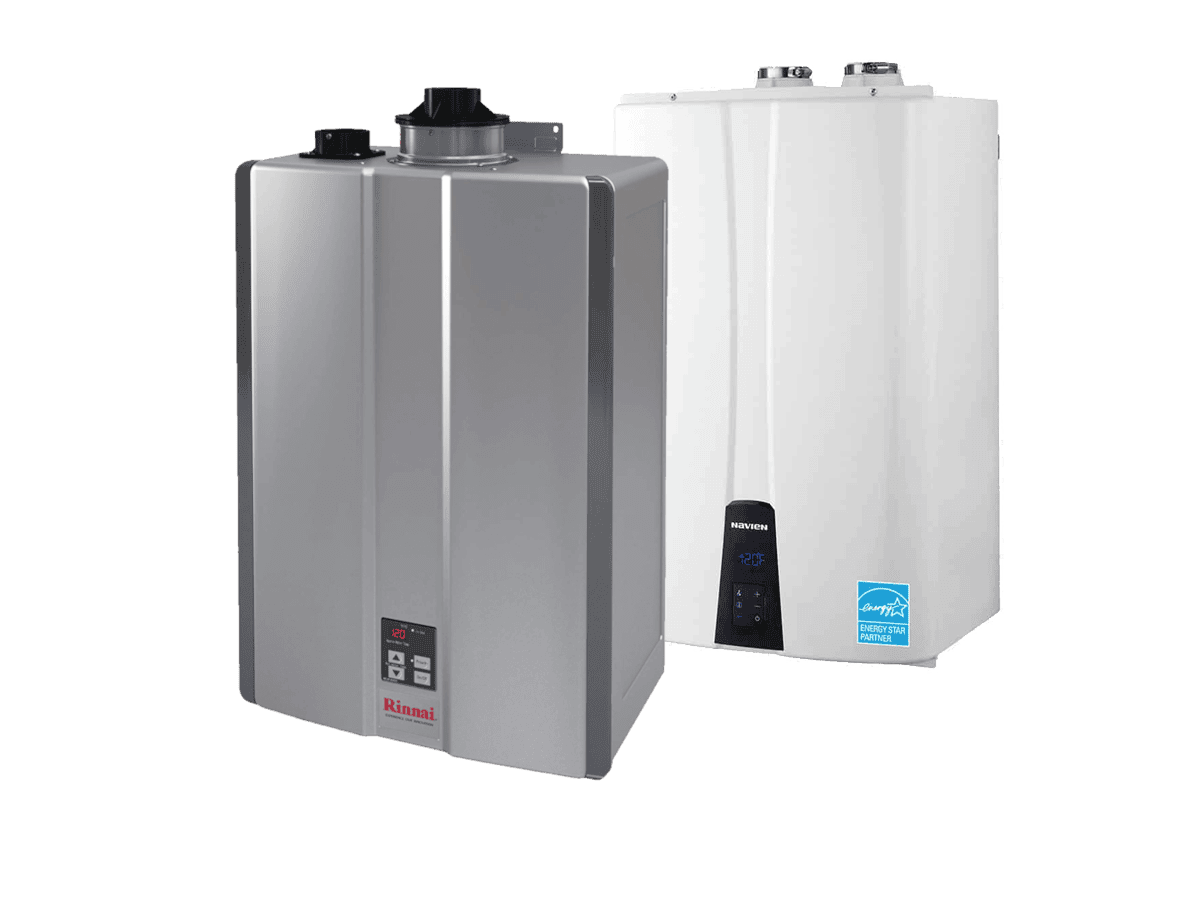
Tankless water heaters, also called on-demand or instantaneous heaters, eliminate bulky storage tanks. When you turn on the hot water faucet, cold water flows through the unit and is rapidly heated by gas burners or electric elements. This provides hot water instantly without the standby energy loss typical of traditional tank heaters. Available in gas (natural or propane) or electric models, these units vary from whole-home systems to smaller point-of-use applications, such as a single sink. High-efficiency models achieve between 80% and 98% energy efficiency, making them ideal for eco-conscious households. For further technical details, you might find the U.S. Department of Energy’s guide on tankless water heaters helpful.
Pros and Cons of Tankless Water Heaters
Like any home upgrade, tankless systems have both advantages and disadvantages:
Pros:
- Energy Savings: Up to 34% more efficient for households using less than 41 gallons of hot water daily; 8-14% for higher usage households. No standby heat loss means lower bills, potentially saving $100 or more annually for a family of four.
- Endless Hot Water: Heats water on demand, preventing cold showers during peak usage times.
- Space-Saving: Compact, wall-mounted design frees floor space, ideal for smaller homes.
- Longer Lifespan: Typically lasts over 20 years with proper maintenance, compared to 10-15 years for traditional tanks.
- Eco-Friendly: Reduced energy use lowers emissions; compatible with solar or hybrid systems.
- Safer Operation: Lower risk of leaks or explosions with modern safety features preventing overheating.
Cons:
- Higher Upfront Cost: Units range from $500-$3,000, plus installation costs ($1,000-$2,000), totaling 2-3 times more than traditional tanks.
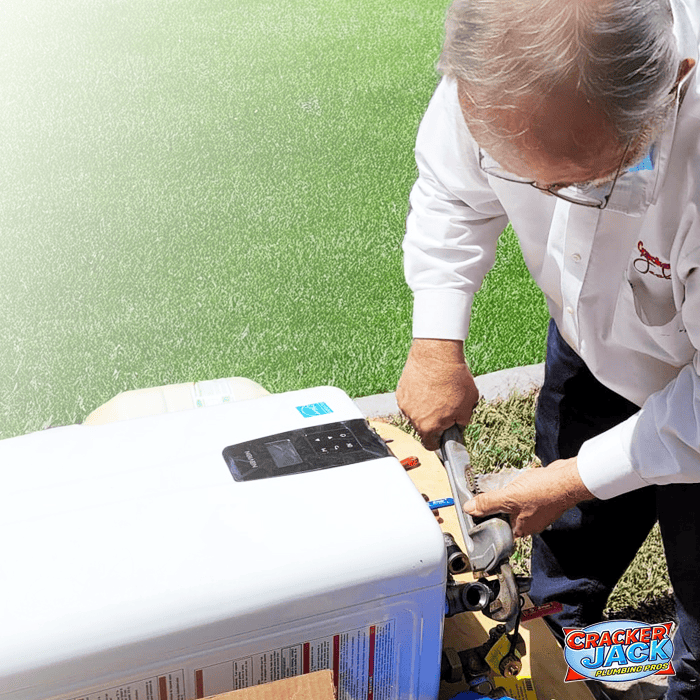
- Installation Complexity: May require gas line upgrades, venting, or electrical modifications. Professional installation recommended.
- Flow Rate Limits: Single units may struggle with simultaneous high-demand activities (e.g., shower plus dishwasher). Multiple units could be needed for large households.
- Maintenance Needs: Annual flushing is required to prevent mineral buildup, with neglect potentially voiding warranties.
- Cold Water Sandwich: Brief temperature fluctuations can occur if water demand starts and stops quickly.
- Power Outage Issues: Electric models won’t operate during outages; some gas models also require electricity for ignition.
Efficiency Benefits in 2025
Tankless heaters excel in efficiency, especially in 2025 with an increased focus on smart technology and sustainability. Gas units reach efficiencies of 80-98%, while electric models eliminate standby heat loss entirely. Hybrid systems integrated into smart homes optimize usage further, reducing waste. For low-usage households, savings are around 24-34%, while high-usage homes can still expect 8-14% savings. Pairing tankless heaters with low-flow fixtures enhances these benefits and aligns with broader trends in reducing water waste.
Tankless vs. Traditional Water Heaters: A Comparison
Here’s a straightforward side-by-side comparison to help you decide:
| Feature | Tankless Water Heater | Traditional Tank Water Heater |
|---|---|---|
| Energy Efficiency | 80-98%; heats only on-demand | 50-60%; constant heating leads to loss |
| Hot Water Supply | Unlimited | Limited by tank size (30-60 gallons) |
| Lifespan | 20+ years | 10-15 years |
| Upfront Cost | $1,000-$3,000 + installation | $300-$2,000 + installation |
| Space Required | Compact, wall-mounted | Bulky tank, typically over 5 ft tall |
| Maintenance | Annual flushing | Periodic draining, anode rod replacement |
| Annual Savings | $100+ annually for average family | Baseline, higher ongoing costs |
| Best For | Eco-friendly, space-limited homes | Budget-friendly, high simultaneous use |
(Data based on 2025 industry averages)
Rebates and Incentives for 2025
Rebates significantly reduce the cost of upgrading. Under the Inflation Reduction Act’s Energy Efficient Home Improvement Credit, you can qualify for a federal tax credit of 30% of the cost (up to $600 for gas/electric tankless heaters, or $2,000 for heat pump models). Visit IRS Form 5695 for details on claiming this credit.
Additional rebates and incentives include:
- Federal Incentives: Up to a $2,000 annual cap for qualified water heaters, with no lifetime limit.
- California (SoCalGas): Rebates between $80 and $1,500 for high-efficiency models based on their UEF rating. See SoCalGas Rebates for specifics.
- Other Regional Examples: UGI ($400), PSE ($400 plus additional income-based incentives), and manufacturer rebates from brands like Navien and Rinnai.
To qualify, select ENERGY STAR-rated models, retain purchase receipts, and apply through your local utility programs or federal tax filings. Consulting a professional ensures eligibility and proper application.
Conclusion
Tankless water heaters represent the future of efficient home plumbing in 2025, offering substantial savings, sustainability, and convenience. Though initial costs are higher, rebates and long-term efficiency make them a worthwhile investment. Ready to upgrade? Contact Crackerjack Plumbing Pros for a free consultation. For Los Angeles residents, find more details about maximizing SoCalGas rebates on our dedicated rebate page.